Landing Page vs Website: Which Converts Better?

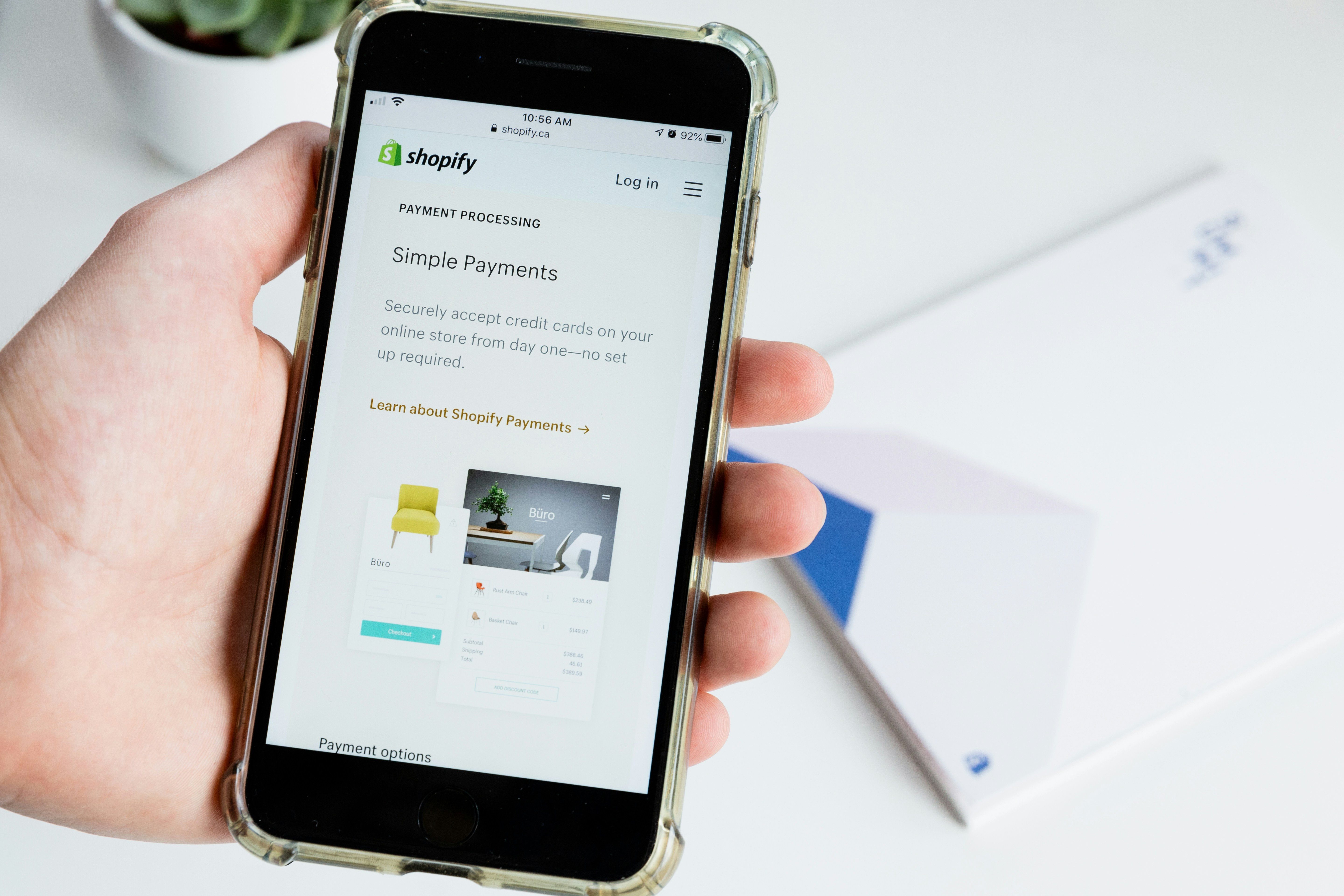
Every marketer wants stronger results from the same ad spend. You can refine targeting and creatives all day, but real gains happen after the click. Traffic is costly, and if the page fails to guide visitors towards a decision, conversions drop fast.
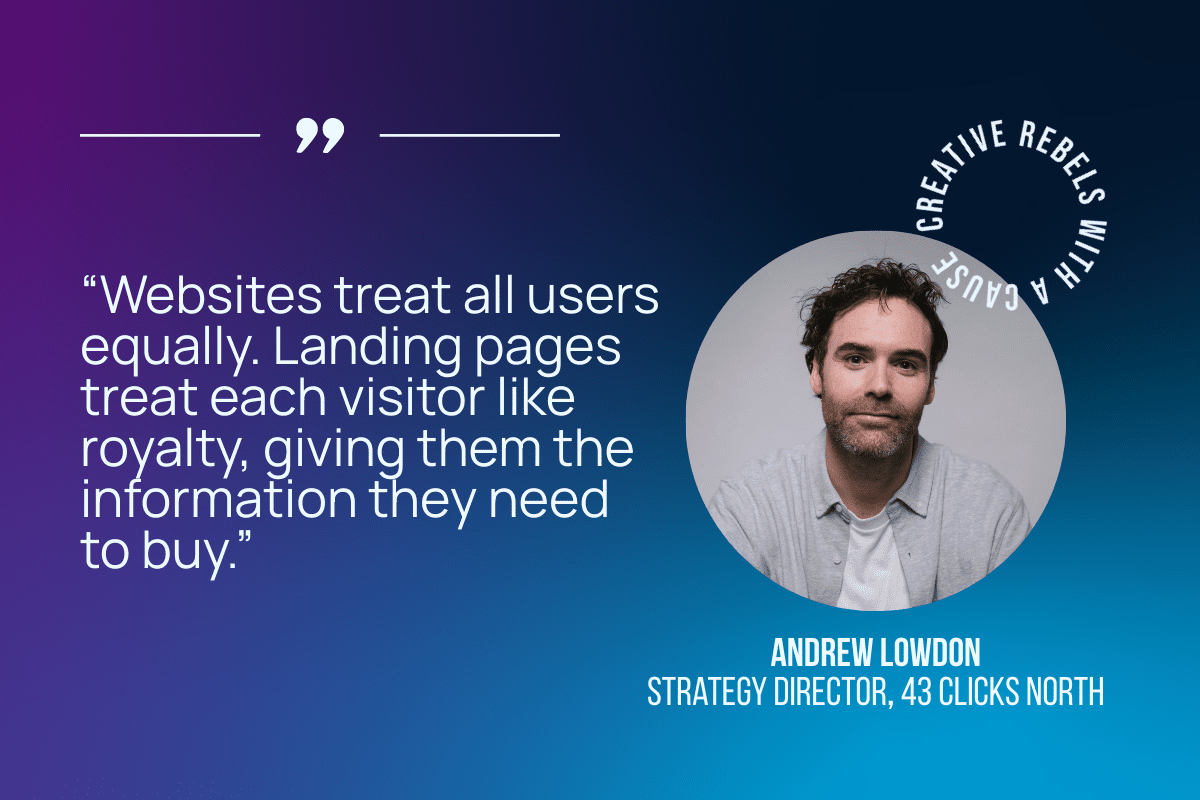
Most websites are not built to convert. They serve many purposes, such as informing, explaining, and accommodating different visitors. Useful, but not focused. A landing page is. It behaves like a trained salesperson who understands the visitor’s situation and gives them only what they need to say “yes.”
A landing page creates clarity and direction. It leads people through a simple argument: what the product is, how it works, and why it fits their needs. This focus is why landing pages consistently outperform full websites across paid campaigns, trials, and direct offers.
Why We Keep Sending Traffic to Websites
Teams often send traffic to the homepage or a main product page simply because the website already exists. It feels natural to use it for every campaign. Websites are built to serve multiple objectives simultaneously. They hold navigation, brand story, SEO content, careers information, and product discovery. This makes them useful for browsing but weak for buying
.A website cannot adapt its message to each intent level or each question. A landing page can. They adapt the argument to the audience's needs, questions, and level of awareness. When someone clicks on a paid ad, they do not want to hunt for reasons to trust the product. They want clarity.
Most visitors browse without a clear path, clicking on whatever link seems interesting rather than the one that would lead them closer to a decision. Each additional click creates more hesitation and increases the risk of losing context. This wandering behaviour has real consequences.
Websites reached through organic search have an average bounce rate of 46.9%, meaning when paths are unclear, engagement drops, and the intent that brought the visitor in the first place begins to fade. These explain why sending traffic to a website often results in lower conversion performance and missed opportunities.
What Makes Landing Pages Different and Better
A landing page is built for one purpose: to move a specific audience toward a single action with as little friction as possible. Achieving this level of focus is very difficult on a traditional website, which has to serve many goals at once.
Think of a typical SaaS homepage. It must speak to multiple audiences, including marketers, sales teams, operations, and customer support. It also contains links to blogs, pricing, case studies, product features, and more. This allows strong brand storytelling and broad engagement, but weakens the message for someone who clicked on a specific campaign or ad.
In contrast, a SaaS landing page can be hyper-targeted. It can speak directly to one persona, such as Marketing Teams or Product Managers. By focusing on a single audience, the copy, design, and call to action can align perfectly with their needs. This makes the argument simpler and often boosts conversion.
The same logic applies to e-commerce. A store homepage might showcase multiple categories, promotions, and product lines. A focused landing page can highlight one offer, a single product, or a bundle, removing distractions. Fewer choices reduce cognitive load and make it easier for visitors to make decisions, thereby improving conversions.
These advantages are supported by data from Hostinger:
- Shorter landing pages with clear calls to action outperform longer ones by 13.5%
- Personalised calls-to-action on a landing page convert about 42% more visitors than generic ones.
- Embedding videos on the page can increase conversions by up to 86%
On the psychological side, using fewer choices aligns with Hick’s Law, which states that increasing the number of options slows down decision-making. Removing unnecessary links or distractions will give visitors fewer decisions to make, which can speed up the path to conversion.
To make your landing pages more effective, follow these 5 strategies to boost e-commerce landing page conversions.
Why Educational Landing Pages Convert Better
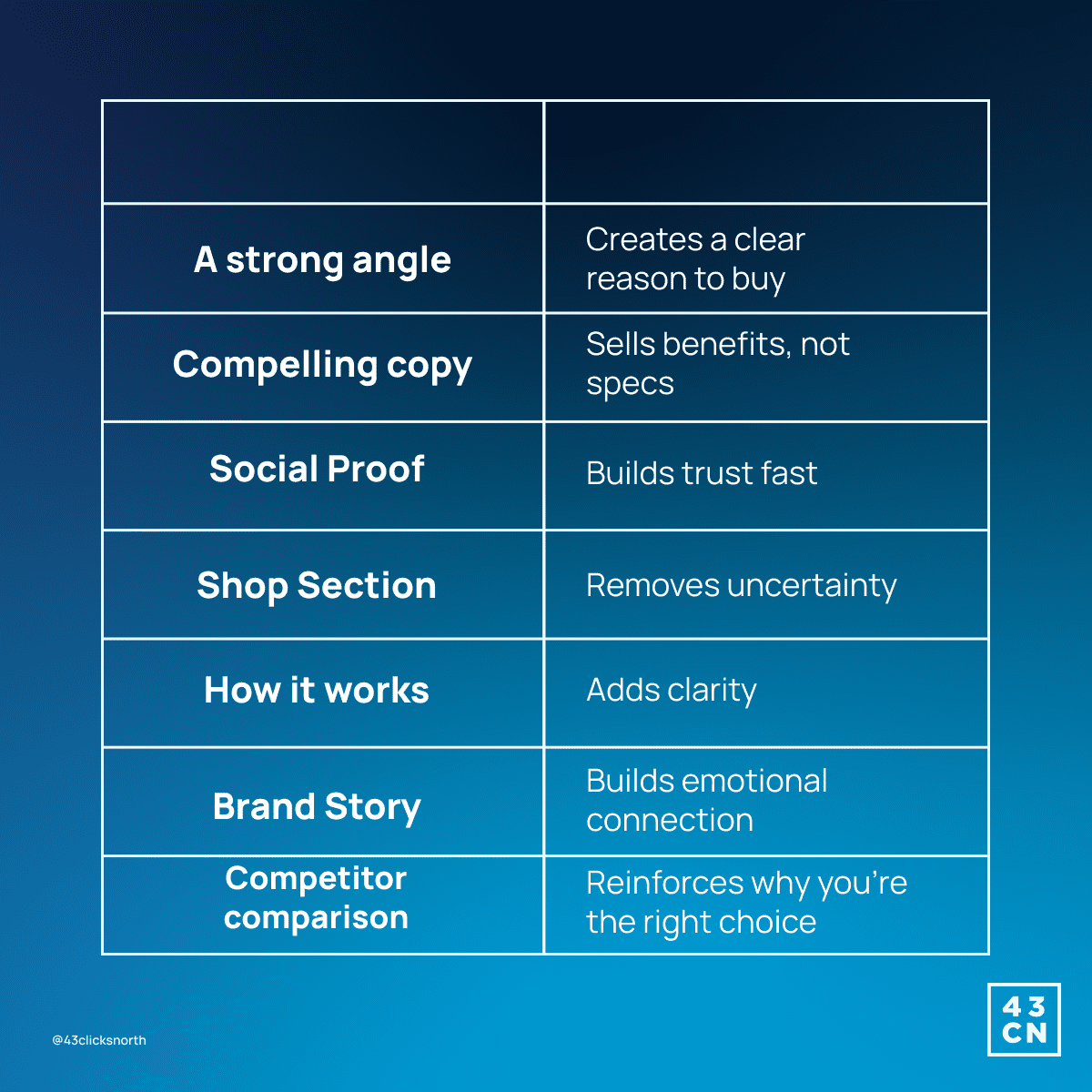
Educational landing pages work so well because they improve understanding and help visitors appreciate the value you’re offering with less effort. Rather than dumping information, they guide visitors through a structured learning path, much like a thoughtful sales conversation.
They Act Like Your Best Salesperson
Landing pages replicate what great salespeople do:
- They help you understand the problem being solved
- They explain why the brand exists
- They clarify how the product helps
- They prove why it’s right for you
A well-designed educational landing page does exactly that. It walks visitors through each stage, explaining the issue in simple terms, putting the product in the context of that problem, and then backing up claims with testimonials, data, or feature details.
There’s no need for them to click around or guess what to do next. Instead, they move through a guided argument, which reduces confusion.
They Build Confidence, Not Confusion
On a regular website, it's common to assume that visitors already know the product. Pages might use internal jargon or make abstract claims. That can be overwhelming for new visitors.
Educational landing pages solve this by tailoring content to where people are in their awareness journey. For example, someone coming from a top-of-funnel ad might need a lot more explanation than someone arriving from an email that already outlines the solution. These landing pages match content to intent that reduces cognitive load and builds trust.
Because every section on the page supports a single narrative, there’s no conflicting messaging, no distracting links, and no unrelated actions. That focus fosters confidence and keeps people’s attention focused.
Real Impact: The Results Speak for Themselves
We worked with a client, Stone Refurb, to optimise their landing pages through A/B testing. The results show how improving the post-click experience can deliver significant gains without increasing ad spend, proving that a well-structured landing page multiplies the effectiveness of every click.
Here are the highlights:
- +48% lift by clarifying the price: Visitors responded immediately when the cost was presented transparently and clearly.
- +81% lift by highlighting total savings: Highlighting the overall value helped visitors see the benefit quickly, which improves trust and perceived value.
- +15% lift by moving CTA above the fold: Making the next step immediately visible guided attention and increased engagement with the rest of the page.
- +32% lift by reducing friction and white space: A cleaner layout reduced cognitive load for visitors to navigate the page
Each improvement reinforced the others. Clear pricing encouraged interaction with other sections, visible calls to action guided attention, and reduced friction ensured users reached the final decision point more efficiently.
Once a landing page experience is optimised, every paid channel performs better, because each click is more likely to convert. Improving the post-click experience is one of the most efficient ways to boost ROI from existing traffic.
When to Use a Website vs a Landing Page
The strength of your digital foundation depends on using each surface at the right time.
Websites Work Best For:
- Brand storytelling – Websites provide space to tell your company’s story, showcase values, and build long-term relationships.
- SEO content and blogs – These attract organic traffic and improve search visibility over time.
- Company information – About pages, careers, and policies give visitors a comprehensive view of your business.
- Multi-path browsing and product research – Visitors can explore multiple offerings at their own pace, comparing features and options.
Websites are ideal when your goal is discovery, education, or exploration rather than immediate conversion. They provide context and build credibility before visitors are ready to act.
Landing Pages Work Best For:
- Paid traffic and campaigns with a single goal – Tailored messaging aligns with ad content, focusing attention on one action.
- Lead magnets and product trials – Streamlined experiences guide visitors toward sign-ups or conversions.
- Audience-specific messaging – Pages can be customised to align with the intent and awareness levels of different visitor segments.
- Clear offers – By removing distractions and handling objections in one place, landing pages make decision-making easier.
If you want clarity, control, and measurable return for each campaign, a landing page is the stronger choice. It gets users to check out faster, with channel-specific experiences that address objections in one place.
How to Make the Right Choice
Instead of choosing based on preference, decide based on goal, audience, and stage in the journey:
- Goal-oriented: If you have a specific action to drive, such as a trial sign-up or a downloadable asset, a landing page will perform best.
- Audience-specific: Landing pages let you target a defined audience segment with tailored messaging.
- Exploration vs. conversion: Use a website when visitors need to browse, compare, or learn about your brand and offerings. Use a landing page when you want to move them quickly from interest to action.
- Traffic source: Paid traffic and targeted campaigns generally benefit more from landing pages, while organic search visitors often start on websites for discovery and context.
By aligning the surface with the visitor’s intent and campaign goal, you prevent wasted clicks and ensure each interaction contributes to either building awareness or driving conversion.
Key Takeaways
Your website supports awareness.
Your landing pages support action.
This difference sits at the centre of the landing page vs website decision. A website helps people learn about your brand, your team, and your wider product range. It holds many paths and serves many needs. It is the right surface for broad education, content development, and general research.
A landing page does something more focused. It presents your strongest case with a clear path from interest to action. It filters out everything that does not help the visitor make a decision. It reduces effort and lowers the chance of confusion. This is the reason landing pages lift results across every paid channel. They keep attention in one place and guide visitors through the steps that matter for a single offer or audience.
When traffic moves through a general site, visitors must connect the dots. They need to interpret many pages, many links, and many messages. That extra work creates friction. Conversions fall because people lose momentum.
The lesson is simple. Let’s stop asking consumers to figure it out and start showing why we’re right for them.
Stopped growing online?
We know how to fix that.
We start with your data, not your channels.
Commercial, market, performance, customer and behavioural data, woven into one view rather than five separate reports.
It shows where your profit comes from, which activities earn their place, which are dead weight, and what's worth doing next.
We typically find 15-30% in wasted marketing spend in the first 3 months.
Channels are the tools; making your business more money is the objective.
Latest News
See all
5 Conversion Blockers That Hurt Black Friday Sales
Shoppers are ready to buy this season, but site blockers can send them to competitors. Discover 5 mistakes to avoid and how to fix them.


5 Strategies to Boost Ecommerce Landing Page Conversions
Your ecommerce landing page is critical in the success of your online store. Join 43 Clicks North as we share our tips on boosting your conversion rates.

How building/nurturing communities can benefit your brand
One of the most enigmatic marketing strategies, has always been communities. Find out how building & nurturing communities can benefit your brand with 43CN.