
Build Customer Confidence Online with Effective Website Trust Signals


Trust is one of the strongest forces behind every online purchase. Shoppers may love your products, but if they don’t believe your website is safe or reliable, the sale often stops there.
The challenge is that building trust online is a balancing act. Too few cues can make a brand look risky. Too many can make it seem fake or desperate. The goal is to find that balance by identifying key moments of hesitation and using design and content to guide customers confidently towards purchase.
Right Balance Between Trust and Overload
Trust is built by giving customers just enough reassurance to feel safe, without overwhelming them. Many brands mistakenly assume that more proof means more confidence. In reality, it is about timing and relevance.
“If you put too few trust signals on your site, shoppers start to doubt you. Too many and you look desperate. The key is placing trust exactly where and when doubt will peak for someone,” said Andrew Lowdon during a webinar on More Revenue Without Increasing Ad Spend.
If every section of your site shouts, “We are trustworthy,” shoppers start to question why you need to say it so often. Real trust comes from small, well-placed signals that appear when people need them most.
Shoppers are more likely to trust reviews that feel genuine and relatable, rather than long lists of overly positive or repetitive ones. When feedback sounds too similar or lacks detail, people start to doubt its honesty.
That’s why a simpler approach works best. Showing a refund policy or a secure payment message during checkout helps build trust and comfort. Customers prefer a site that feels calm and reliable, rather than one that constantly tries to convince them.
What Trust Signals Really Mean for Online Shoppers
Trust signals are the visible or behavioural elements that show shoppers your site is secure, authentic, and dependable. Common examples include:
- Customer reviews and star ratings
- Secure payment and SSL badges
- Clear return and refund policies
- Testimonials with real names and photos
- Media features or award mentions
- Verified partnerships and certifications
Among all trust signals, customer reviews have the strongest influence on buying confidence. Almost all online shoppers read reviews before making a purchase, and 84% of consumers say they trust customer feedback more than most branded claims.
Every trust signal should answer a question in the shopper’s mind. For example:
- “Can I trust this site with my payment details?” Show secure payment badges.
- “Will the product look like the photos?” Include customer images and reviews.
- “What if I need to return it?” Display an easy-to-find refund policy.
When these cues are naturally within the buyer’s journey, they build confidence without extra effort from the customer.
How to Spot the Moments When Customers Start to Doubt
Doubt typically arises at key points in the shopping journey, such as when buyers question a product, payment, or delivery.
1. Product Detail Pages
This is where most shoppers start to build their first real impression of a product. They want to be sure that what they see online is what they’ll actually get. If the description is unclear, the photos are limited, or the details are missing, people start to hesitate. Adding real customer reviews, photos from buyers, and clear product information helps them feel more confident about their purchase.
2. Checkout Process
Many worry about payment safety and how their information will be used. A visible padlock icon, SSL certificate, or secure payment gateway such as PayPal or Stripe instantly adds reassurance. Clear visual signals, such as displaying the brand’s logo beside the payment provider, can also build familiarity and comfort.
3. Shipping and Delivery
Unexpected delivery costs or unclear timelines are among the biggest reasons for cart abandonment. Data shows that 56% of online shoppers abandon their carts due to unexpected costs, and many see hidden fees or late cost disclosures as signs that a brand might be dishonest or careless.
4. Site Navigation and Speed
Trust is not only about what is said but also about how the site behaves. Slow loading times, broken links, or complex navigation can trigger uncertainty. If users struggle to find key details such as contact information or refund options, they begin to question reliability. A clean, consistent, and fast experience signals professionalism and care, two qualities people associate with trustworthy brands.
Where to Place Trust Signals to Make the Most Impact
Trust is most powerful when it appears exactly where customers need reassurance the most. Here’s how to apply it effectively across your site:

1. Homepage
Your homepage sets the first impression, so keep it simple and credible. One or two strong trust cues, such as “Trusted by 20,000 customers” or “As featured in The Guardian,” signal legitimacy without overwhelming visitors. For example, Opioneers featured seven media mentions on their site to highlight brand credibility.
This makes people feel they have arrived at a reputable place worth exploring, not a page trying too hard to prove itself.
2. Product Pages
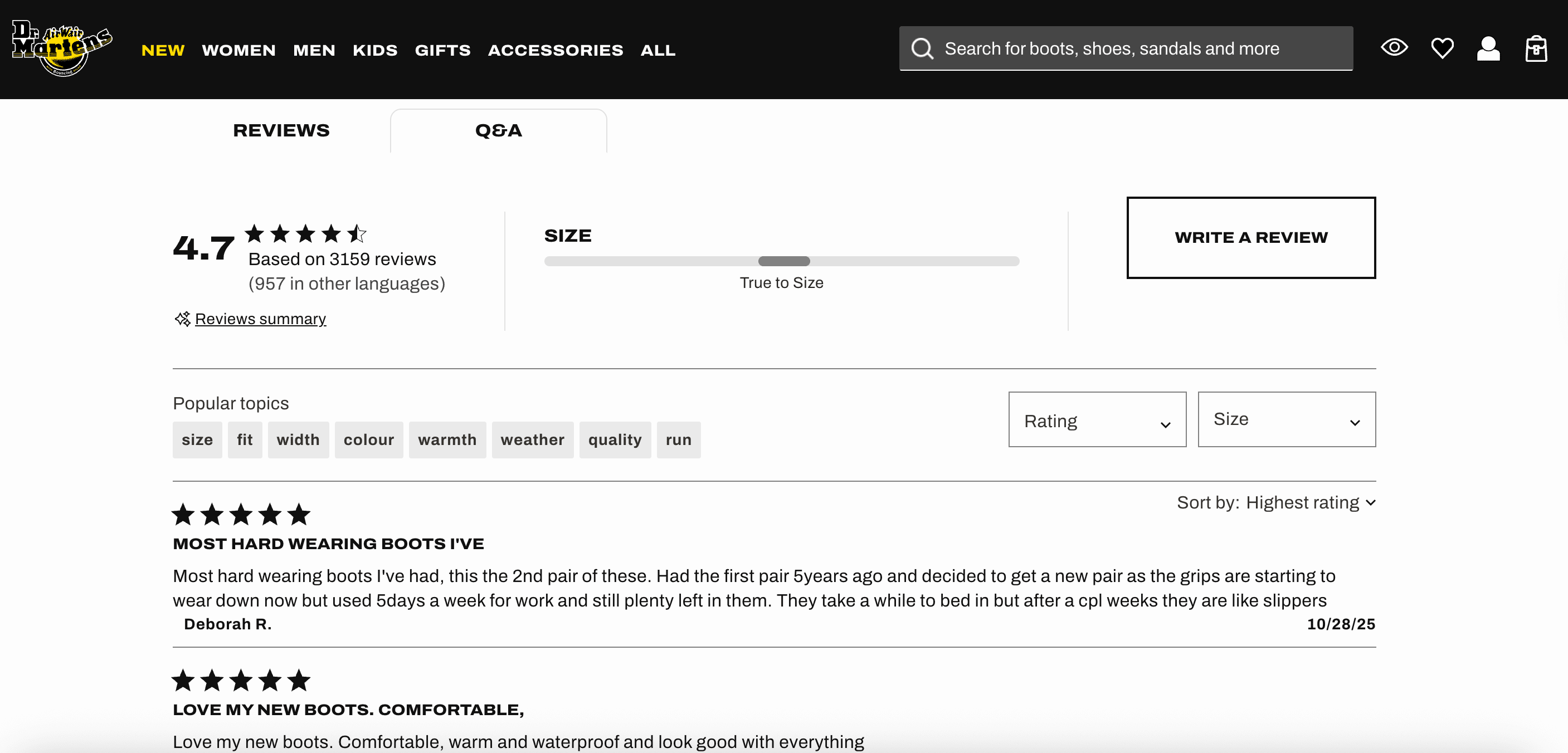
This is where trust has the most direct influence on buying intent. Shoppers actively look for validation that the product matches their expectations. Display star ratings, verified buyer reviews, or short testimonial snippets, much like how Dr. Martens highlights customer feedback on its product pages. Placing them near the “Add to Cart” button can also create a natural reassurance loop: right as users think about purchasing, they see proof that others already have.
3. Pricing Section
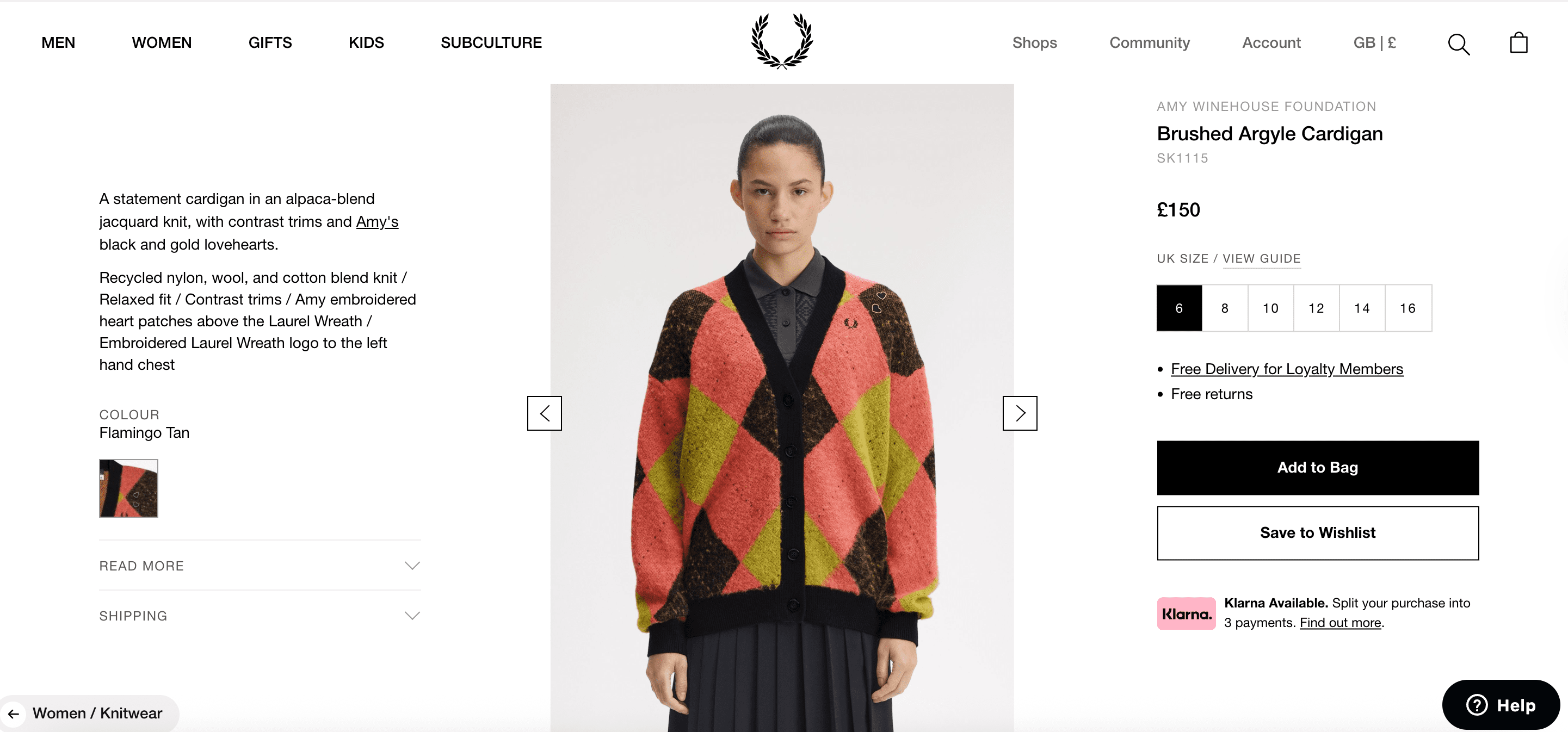
Price hesitation is one of the strongest emotional barriers in online shopping. Highlight guarantees, warranties, or flexible payment options near the price or subscription choice. Small lines like “30-day money-back guarantee” or “Secure monthly billing, cancel anytime” reduce perceived risk and make the offer feel safer to commit to. A good example is Fred Perry’s product page, which pairs the price with confidence-boosting cues such as “free delivery for loyalty members” and “free returns.”
4. Checkout Page
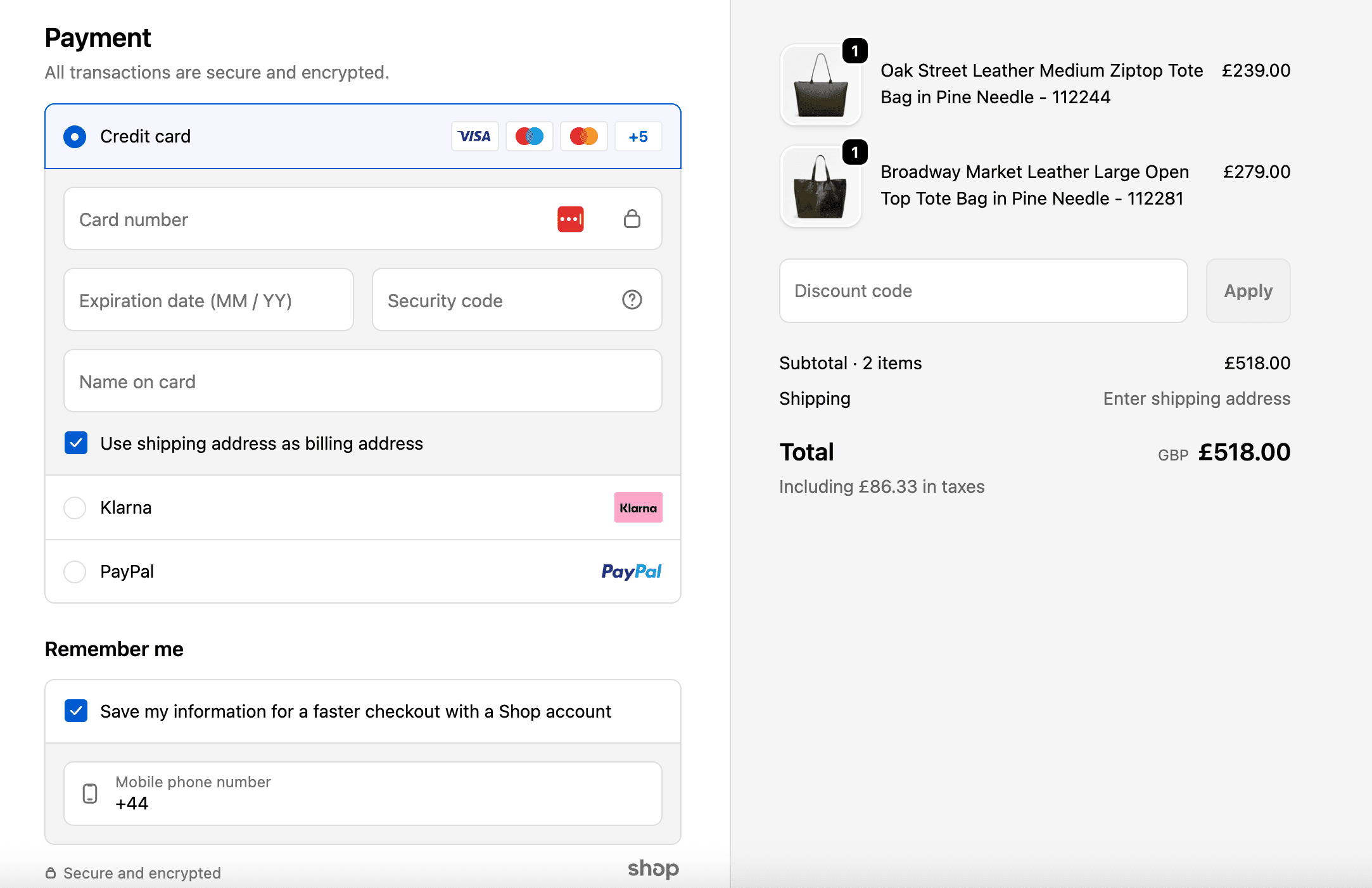
Avoid clutter and focus on one or two key signals. For example, a short message beside the card entry field, such as “All transactions are secure and encrypted,” can be sufficient. Including logos of trusted payment gateways like PayPal, Visa, or Mastercard, as Radley does on its checkout page (see above), also helps build customer confidence.
Bonus Tip: Even the most credible trust signal loses power if it looks out of place. Use consistent colour schemes, typography, and spacing so trust elements blend naturally into your site’s design. Visual harmony reinforces credibility at a subconscious level.
Making Trust Feel Real Through Authentic Social Proof
People recognise when testimonials sound scripted or staged. Real reviews, both positive and critical, show honesty.
User-generated content is a strong example. Brands like Glossier and Gymshark encourage customers to share photos and feedback. This increases engagement and credibility because shoppers see people like themselves using the products.
90% of consumers are concerned about fake reviews, and 67% say they would be less likely to purchase if they suspect manipulation. That’s why showing both positive and balanced feedback isn’t just an act of transparency; it’s a competitive advantage.
You can also show authenticity by using diverse review formats. For example:
- Short, casual testimonials beside product photos.
- Longer case-style reviews for complex purchases.
- Verified buyer labels for credibility.
Avoid over-editing or filtering reviews. A few minor imperfections make the feedback feel believable. Testing tone and presentation can also reveal which styles resonate most. Some audiences prefer visual testimonials, while others trust detailed written feedback.
Build Trust and Drive Real Growth!
It’s not enough to say you’re trustworthy. You need to show it at every step that matters. When done right, trust signals reduce hesitation, increase confidence, and directly impact conversions.
At 43CN, we design and implement strategies that highlight authenticity, streamline the buying process, and maximise the power of social proof. By focusing on where and when customers need reassurance, your site starts working harder for every visitor.
Take action today. If you want expert guidance to boost trust, reduce abandonment, and create sustainable growth, reach out to us. Let’s make trust your most powerful growth driver.
Stopped growing online?
We know how to fix that.
We start with your data, not your channels.
Commercial, market, performance, customer and behavioural data, woven into one view rather than five separate reports.
It shows where your profit comes from, which activities earn their place, which are dead weight, and what's worth doing next.
We typically find 15-30% in wasted marketing spend in the first 3 months.
Channels are the tools; making your business more money is the objective.
Latest News
See all
5 Conversion Blockers That Hurt Black Friday Sales
Shoppers are ready to buy this season, but site blockers can send them to competitors. Discover 5 mistakes to avoid and how to fix them.


5 Strategies to Boost Ecommerce Landing Page Conversions
Your ecommerce landing page is critical in the success of your online store. Join 43 Clicks North as we share our tips on boosting your conversion rates.

How building/nurturing communities can benefit your brand
One of the most enigmatic marketing strategies, has always been communities. Find out how building & nurturing communities can benefit your brand with 43CN.