
How to Set the Right Goals for Your Black Friday Campaign

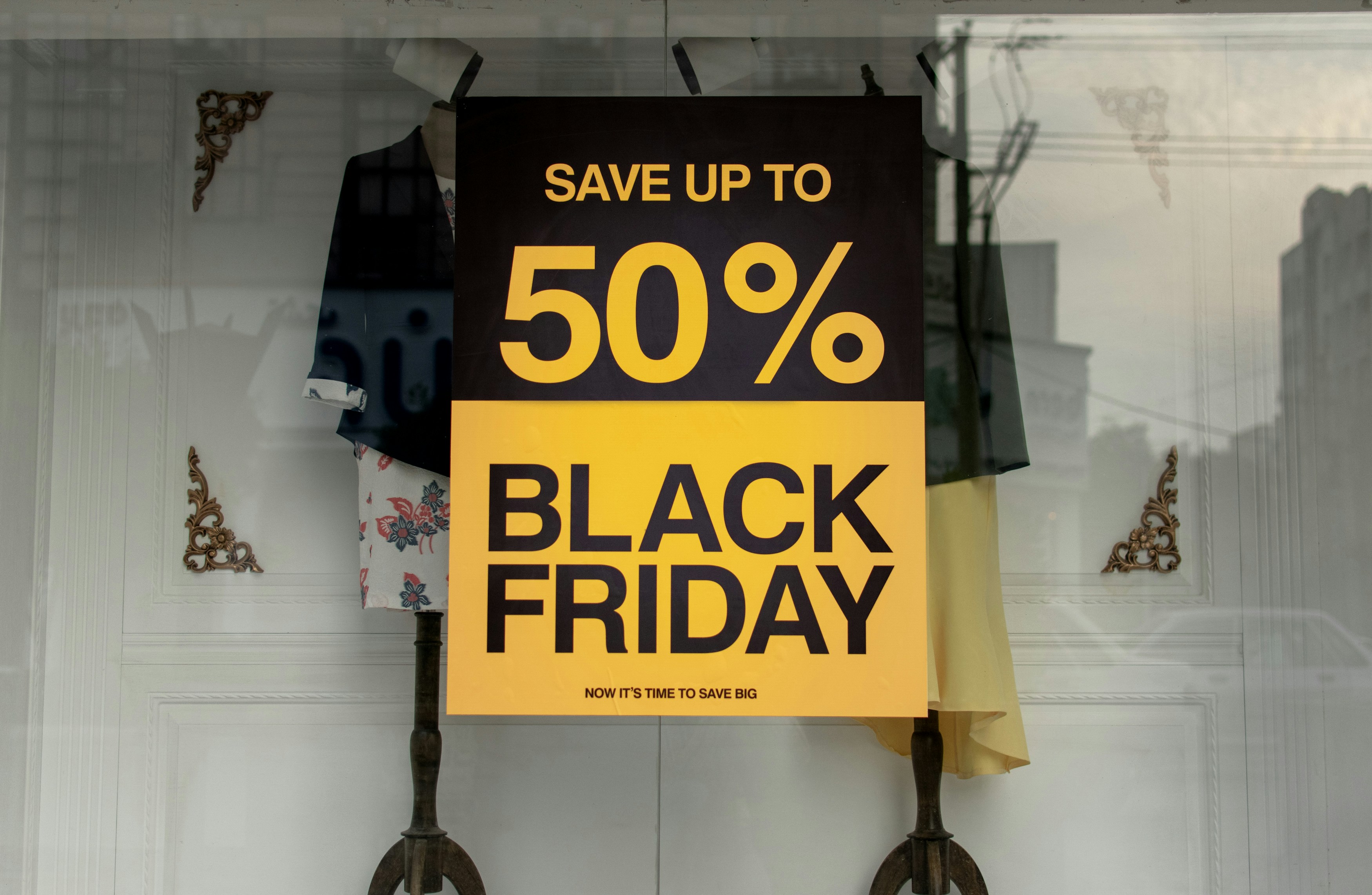
A strong Black Friday strategy begins with a clear purpose. When teams understand why the campaign exists, they can design offers, timing, and messaging that deliver measurable results. Clarity at this stage builds consistency across decisions and gives every action a defined direction.
Step 1: Pause and Define the “Why” Behind the Campaign
Before planning begins, every marketing and sales team should take a step back and define the true purpose of participating in Black Friday. The motivation cannot simply be “because everyone else does.”
“Every goal that you have is valid, but the key is that your why will shape your what and your how. Black Friday isn’t equal for all brands… You need to figure out why you’re doing it and what you actually want to get out of it.”
Some brands view the season as a chance to attract new customers, while others use it to reward loyalty or clear inventory ahead of the next quarter. Each objective is valid but leads to a different campaign design.
Teams that skip this step often chase short-term wins at the expense of long-term brand health. When the purpose is well defined, the decisions across departments become more coordinated, resources are used efficiently, and efforts focus on what genuinely drives value beyond the sales weekend.
Step 2: Anchor Your Campaign to a Single Objective
A brand’s campaign should centre on one clear goal. Trying to pursue acquisition, retention, and category growth at once often weakens focus and creates mixed messages across teams and channels.
Customer Acquisition vs Retention
Research shows that acquiring a new customer can cost up to five times more than retaining an existing one, while improving retention by just 5% can increase profits by up to 25%. These figures show how defining a single direction directly impacts profitability.
For brands focused on acquiring new customers, Black Friday can serve as an entry point to build long-term relationships. The aim should be to gather valuable data, earn trust, and create the foundation for repeat engagement beyond the sale. For those prioritising retention, the event becomes a chance to strengthen loyalty through exclusive offers, early access, or rewards for ongoing support.
Every element, from pricing structure to messaging, should consistently reflect the chosen goal. This generate sustainable growth rather than short-lived revenue spikes.
Step 3: Link Promotions to What You Aim to Achieve
Discounts and promotions deliver real value only when they align with a clear objective. The same 20% off can drive very different outcomes depending on who it targets and why it exists.
- For new customer campaigns, low-friction entry offers work best. Introductory discounts, free trials, or first-order incentives lower hesitation and attract new customers who might otherwise wait.
- For retention campaigns, exclusivity creates stronger results. Early access, loyalty rewards, or premium bundle upgrades signal appreciation and reinforce the relationship rather than competing on price.
- For category expansion, bundle offers or cross-category discounts help customers explore and discover new products. This strategy broadens interest without eroding existing margins.
A report by DHL found that 71% of shoppers buy on Black Friday primarily for discounts, yet only half fully trust retailers’ deals. This shows that while price matters, trust matters more. When customers feel that a promotion exaggerates value or hides conditions, confidence in the brand weakens and that loss of trust can continue long after the sale ends.
That is why offers must match both intent and transparency. When promotions clearly reflect the campaign’s true purpose, whether to attract new buyers, reward loyalty, or expand product interest, customers respond more positively.
Step 4: Plan the Timing of the Campaign
Timing determines visibility, conversion, and operational efficiency. The right launch window depends on both the brand’s goal and how its audience shops.
In 2024, UK e-commerce saw a 3.1% year-on-year rise in Black Friday sales, but bounce rates also increased by nearly 4%, suggesting that more shoppers are visiting sites earlier yet taking longer to make purchasing decisions. This shift signals the growing importance of well-timed campaigns that match how consumers now browse and buy.
For new customer-focused campaigns, an earlier rollout often in the first half of November allows new audiences to engage with the brand and build trust before the peak weekend. Retention campaigns, however, gain more traction by launching closer to the event, creating exclusivity and urgency. Category expansion campaigns often benefit from extending into Cyber Week, giving shoppers more time to explore and purchase across product ranges.
Timing also affects operational efficiency. Campaigns launched too close to the event can put pressure on fulfilment teams, overload customer service, and slow website performance as traffic surges. Starting earlier helps maintain quality and consistency throughout the peak period.

Step 5: Craft Messaging That Reflects the Objective
Every message sent during the Black Friday period should reinforce the campaign’s core intent. Generic lines like “Biggest Sale Ever” are easy to ignore. The most effective messaging speaks directly to what the campaign aims to achieve.
- For new customer campaigns, messaging should clearly communicate what the buyer gains from choosing the brand. Instead of focusing only on discounts, it should highlight value, convenience, or reassurance. For example, “Try it risk-free with 30 days of easy returns” or “Get your essentials faster with free delivery on your first purchase.”
- For retention campaigns, the focus should be on appreciation and exclusivity. Messages like “Your loyalty deserves early access” or “An exclusive offer for our best customers” make existing customers feel recognised and valued. These reminders strengthen emotional connection and encourage repeat business.
- For category-driven campaigns, messaging should inspire curiosity and discovery. A line such as “Explore what’s new this season” or “Complete your collection with our latest release” invites customers to explore more of the brand’s range. This kind of storytelling promotes engagement without relying solely on discounts.
- Well-crafted communication does more than improve conversion. It reinforces how the brand wants to be seen, whether for value, trust, or creativity.
Step 6: Set Metrics That Reflect True Success
Revenue is important, but it does not define a successful Black Friday campaign on its own. The true measure lies in whether those sales create long-term customer relationships and sustainable growth.
To achieve this, businesses should track performance beyond the sales weekend. Tools such as Google Analytics, Shopify Reports, and CRM platforms like HubSpot or Klaviyo help monitor key behaviours. These include how many new customers return after their first purchase or whether loyal ones are increasing their average order value.
A practical method is to create post-campaign cohorts. This means segmenting customers who purchased during Black Friday and tracking their activity over 30, 60, and 90 days. If many fail to return, it may suggest that discounts only attracted short-term buyers. If repeat purchase rates improve, it shows that the campaign reached an audience likely to stay engaged.
Businesses can also use data visualisation tools such as Looker Studio or Power BI to identify these patterns more clearly.
Step 7: Review and Feed Learnings into Future Campaigns
Once the campaign concludes, teams need to assess what worked, where friction occurred, and how outcomes matched the original goal.
Questions to consider include:
- Did the campaign achieve its defined Q4 marketing goals?
- Were acquisition or retention costs aligned with expectations?
- Did the timing and messaging resonate with the target audience?
- Were there operational constraints that limited performance?
Brands that document these findings each year create a continuous improvement cycle. The insights gathered not only strengthen future Black Friday planning but also inform wider Q4 strategies and year-round marketing frameworks.
If you want to understand the most common reasons Black Friday campaigns fall short and how to avoid them, our next guide explores exactly that.
Build Smarter Black Friday Campaigns That Last!
Black Friday success starts with clear direction. When every goal is clear and every channel works together, results follow naturally. It is not just about pushing discounts, but building campaigns that connect with purpose and drive lasting value.
At 43CN, we help brands bring that focus to life. Through better CRO, thoughtful UX, and data-driven paid and social strategies, we create campaigns that perform efficiently and deliver consistent growth. Each element is designed to help shoppers act faster and trust more.
Start shaping a smarter Black Friday strategy. If you are ready to simplify your process and convert with confidence, get in touch with our team today.
Stopped growing online?
We know how to fix that.
We start with your data, not your channels.
Commercial, market, performance, customer and behavioural data, woven into one view rather than five separate reports.
It shows where your profit comes from, which activities earn their place, which are dead weight, and what's worth doing next.
We typically find 15-30% in wasted marketing spend in the first 3 months.
Channels are the tools; making your business more money is the objective.
Latest News
See all
5 Conversion Blockers That Hurt Black Friday Sales
Shoppers are ready to buy this season, but site blockers can send them to competitors. Discover 5 mistakes to avoid and how to fix them.


5 Strategies to Boost Ecommerce Landing Page Conversions
Your ecommerce landing page is critical in the success of your online store. Join 43 Clicks North as we share our tips on boosting your conversion rates.

How building/nurturing communities can benefit your brand
One of the most enigmatic marketing strategies, has always been communities. Find out how building & nurturing communities can benefit your brand with 43CN.