
7 Most Asked Black Friday Questions and Their Answers


We understand that many brands have questions when preparing for Black Friday. From timing and testing to conversion and AI, there is much to consider before the peak season begins. To support better planning, we have compiled the most common questions we hear from businesses and shared practical answers that can help you plan smarter and achieve stronger results.
1. How can I stand out in a busy marketplace by using emotional design?
Shoppers spent £1.12 billion online on Black Friday in 2024, a 7.2% increase from the previous year. The rise reflects not only higher traffic but also a greater reliance on experiences that feel personal and easy to trust, proof that emotion and data-driven refinement now shape how people choose where to buy.
Clear imagery, persuasive colour palettes and subtle movement build anticipation while data shows which elements truly drive action. As our Strategy Director, Andrew Lowdon, explains, “Data points you to the issue, but it doesn’t tell you why. That’s where emotional design comes in.”
A campaign may start with an emotional concept such as the thrill of finding the best deal or the satisfaction of gifting something special. Analytics then show what resonates. Heatmaps, click tracking, and A/B tests reveal which headlines, buttons, or images inspire trust and which create hesitation.
The balance between feeling and fact develops through iteration. Emotional design creates the first impression and data strengthens it through evidence. When both work together, emotion captures attention, and data turns it into results.
2. How do I maximise conversions during Q4?
Testing before Q4 offers a lower-risk environment. Traffic volumes are lower, so improvements can be made without the pressure of peak loads. It is the best time to refine core elements such as checkout flow, navigation, and load times.
“In an ideal world, you start testing and prepping for Black Friday on January 1st. But whenever you get to November stop, because you’re in season.”
By the time Q4 begins, testing should shift into observation and minimal optimisation. Traffic and intent rise, and shoppers move faster through the journey. This is when smaller adjustments, such as refining offer placement or adjusting copy, can have a measurable impact without disrupting stability.
A phased approach works best:
- Pre-Q4 (January–September): Fix technical and usability issues and establish baseline conversion and abandonment metrics.
- Early Q4 (October): Test creative elements such as teaser campaigns and early-access messaging.
- Peak period (November): Avoid major changes.
- Post-event (December): Review results, identify lessons, and apply them to Q1 planning.
Evidence from the BRC’s 2024 review shows that during the peak week in November, online traffic fell by 4.3% year on year while revenue rose by 0.9%. This suggests that shoppers who reached retail sites were more intentional and conversion-focused. Retailers who optimised early in the season saw steadier performance when traffic surged.
3. What improvements can i make to my website for Q4 that will actually have impact?
Start with the issues that directly interrupt the buying process. Speed, checkout, and mobile usability have the greatest influence on whether a shopper converts or leaves.
Site Performance and Load Speed
Shopify reports that when a website loads in one second, its conversion growth is 2.5 to three times higher than a page that takes five seconds to load. Speed affects every step of the buying journey, so fixing it first prevents wasted effort elsewhere.
Mobile Usability
Poor navigation, small buttons, or cluttered checkout screens lead to instant abandonment. Simplicity is key: visible progress bars, large input fields, and a smooth guest checkout create confidence and speed. With mobile accounting for the majority of online sales, improving usability yields significant gains in conversions.
Checkout Friction
Hidden costs, forced registration, and complex forms still cause the highest drop-offs. Baymard Institute found that large e-commerce sites can increase conversion by up to 35% with a smoother checkout experience. Making checkout shorter, showing clear pricing, and offering flexible payment choices are some of the fastest ways to improve results.
Once these foundation issues are stable, secondary areas such as landing-page alignment, analytics accuracy, and stock visibility can follow.
Tier 1: Site speed, mobile UX, and checkout flow
Tier 2: Message alignment, stock accuracy, shipping, and returns visibility
Tier 3: Personalisation, loyalty features, and advanced analytics
Focus on Tier 1 first to prevent wasted spend on cosmetic improvements that are irrelevant if the core journey fails under pressure.
4. Is it worth tailoring landing pages for different audiences?
Yes. Segmentation brings relevance that leads to higher engagement. Visitors from loyalty emails may value early access or free delivery, while those from search ads want quick proof of value. A single, generic page cannot speak convincingly to both.
Simple changes in imagery, tone, or offer framing can make a big difference. These proven strategies can also improve landing page conversions. Returning customers may respond to language about rewards or familiarity, while first-time shoppers often look for trust signals such as reviews or media mentions.
Complexity increases with segmentation, so moderation matters. A few meaningful variations usually outperform many fragmented ones. A consistent design and tone ensure that all versions remain aligned with the brand.
5. When should i start advertising for black friday?
Nearly half of UK shoppers start looking for deals at least a week before the event, so brands that wait until the last minute often struggle to stand out.
As Andrew Lowdon puts it, “People remember brands. If you show me an advert and I can’t remember who it’s from, it’s a waste of budget.”
Building familiarity takes time. The most successful brands begin months ahead, letting audiences recognise their name and message long before discounts appear.
- August to September: Start planting the idea of value with early messages like “our biggest sale yet” or “early access coming soon.” Encourage newsletter sign-ups to build a warm audience for paid ads.
- October: Roll out teaser campaigns. Early-bird deals and email previews help generate buzz before ad competition and costs peak.
- Early November: Shift to conversion mode with confirmed offers, countdowns, and remarketing ads targeting those who engaged earlier.
- Post-event: Keep the momentum through extended offers or loyalty bonuses to stay visible after the rush.
Shoppers will be more likely to recognise your brand, engage with your messages, and respond when your offers go live.
6. How should i measure performance during peak periods?
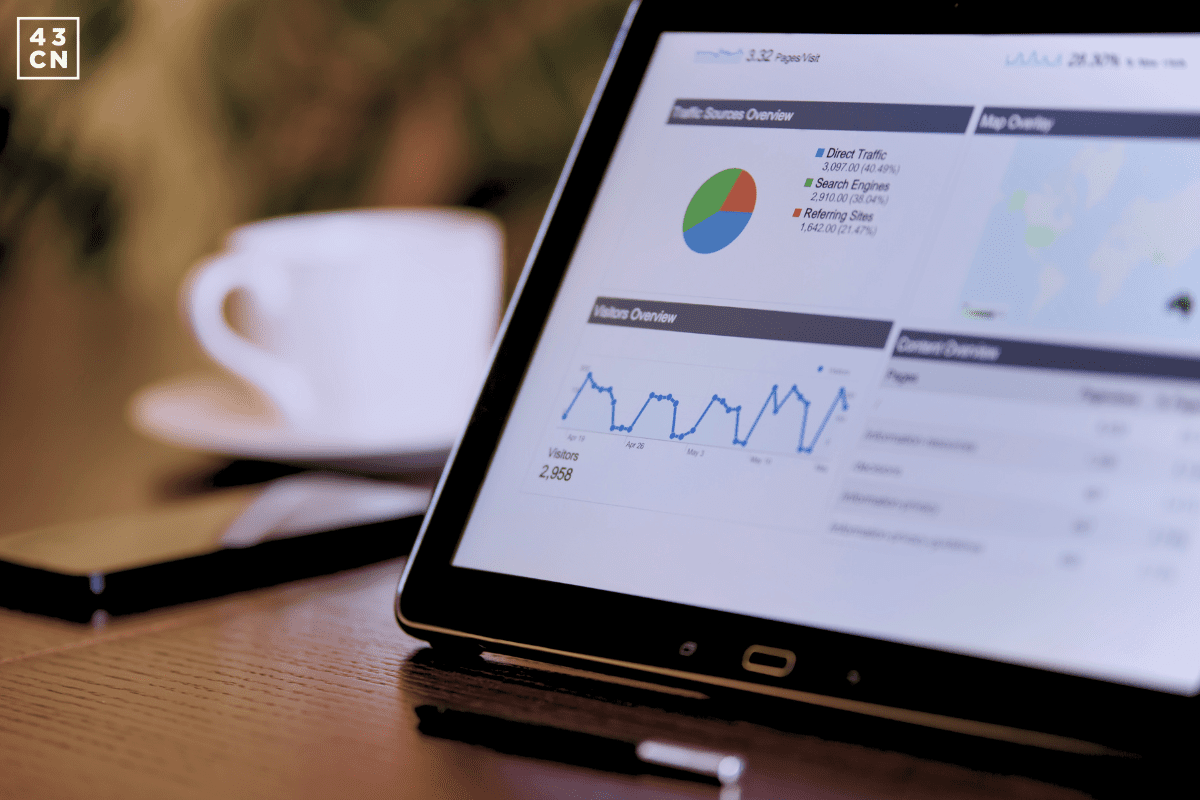
Yes. Metrics need to adapt during peak events since shoppers behave differently under high pressure. Standard dashboards that work during normal periods often fail to capture the changes that occur during Black Friday.
Marketers need real-time, segmented data to make decisions that actually match what shoppers are doing.
For example, mobile traffic often dominates during Black Friday. If mobile conversion drops, it could signal a slow checkout or confusing navigation. Traffic sources also behave differently. Paid search, social ads, and influencer campaigns may perform differently during normal periods, so monitoring each separately helps focus budgets where they are most effective.
Other important metrics include time-to-purchase, stock availability, and the difference between new and returning customers. Shorter session times might show strong purchase intent, while out-of-stock items can block revenue. Once these are tracked, it will help teams respond quickly, avoid lost revenue, and improve conversions under pressure.
7. How can AI support Black Friday campaigns without losing authenticity?
Artificial Intelligence can improve marketing and sales campaigns by handling repetitive tasks, analysing customer data, and personalising experiences. It works best when it supports human effort rather than replacing it.
- Personalising customer experiences: AI can examine customer behaviour and suggest products, content, or offers that match their interests.
- Automating routine tasks: Tasks such as scheduling emails, posting on social media, or answering common questions can be automated with AI.
- Analysing performance in real time: AI can process large amounts of data quickly and identify trends. For instance, it can highlight which products are selling fastest or which campaigns are most effective. Marketers can then adjust ads, offers, or messaging to maximise results during peak shopping periods.
- Keeping interactions authentic: Customer-facing interactions should remain personal and empathetic. For example, if AI handles initial questions, human staff can follow up with more detailed support or advice. This combination maintains trust and authenticity.
For further insights on how AI is transforming marketing, see this article on AI usage in marketing 2025.
Build a Smarter, Smoother Black Friday Strategy!
Black Friday success is never accidental. It comes from preparation, precision, and the right balance between emotion and analytics. A smooth shopping experience begins with fixing core friction points like slow site speed, weak mobile UX, and complicated checkout flows. From there, tailored landing pages and consistent trust signals help every visitor move forward with confidence.
At 43 Clicks North, we help brands approach Black Friday with strategy, not stress. Our team blends emotional design with data-driven insights to build campaigns that perform under pressure. With AI adding scale and human creativity keeping campaigns authentic, we make sure every click counts.
If you have other questions in mind, our team is always here to help you get clarity and guide your next step with confidence.
Stopped growing online?
We know how to fix that.
We start with your data, not your channels.
Commercial, market, performance, customer and behavioural data, woven into one view rather than five separate reports.
It shows where your profit comes from, which activities earn their place, which are dead weight, and what's worth doing next.
We typically find 15-30% in wasted marketing spend in the first 3 months.
Channels are the tools; making your business more money is the objective.
Latest News
See all
5 Conversion Blockers That Hurt Black Friday Sales
Shoppers are ready to buy this season, but site blockers can send them to competitors. Discover 5 mistakes to avoid and how to fix them.


5 Strategies to Boost Ecommerce Landing Page Conversions
Your ecommerce landing page is critical in the success of your online store. Join 43 Clicks North as we share our tips on boosting your conversion rates.

How building/nurturing communities can benefit your brand
One of the most enigmatic marketing strategies, has always been communities. Find out how building & nurturing communities can benefit your brand with 43CN.